
Oxidative Stress:
What It Is and How to Understand It Correctly
Reactive oxygen species are not just enemies. They are a natural part of life. The key is balance — and knowing how to maintain it.
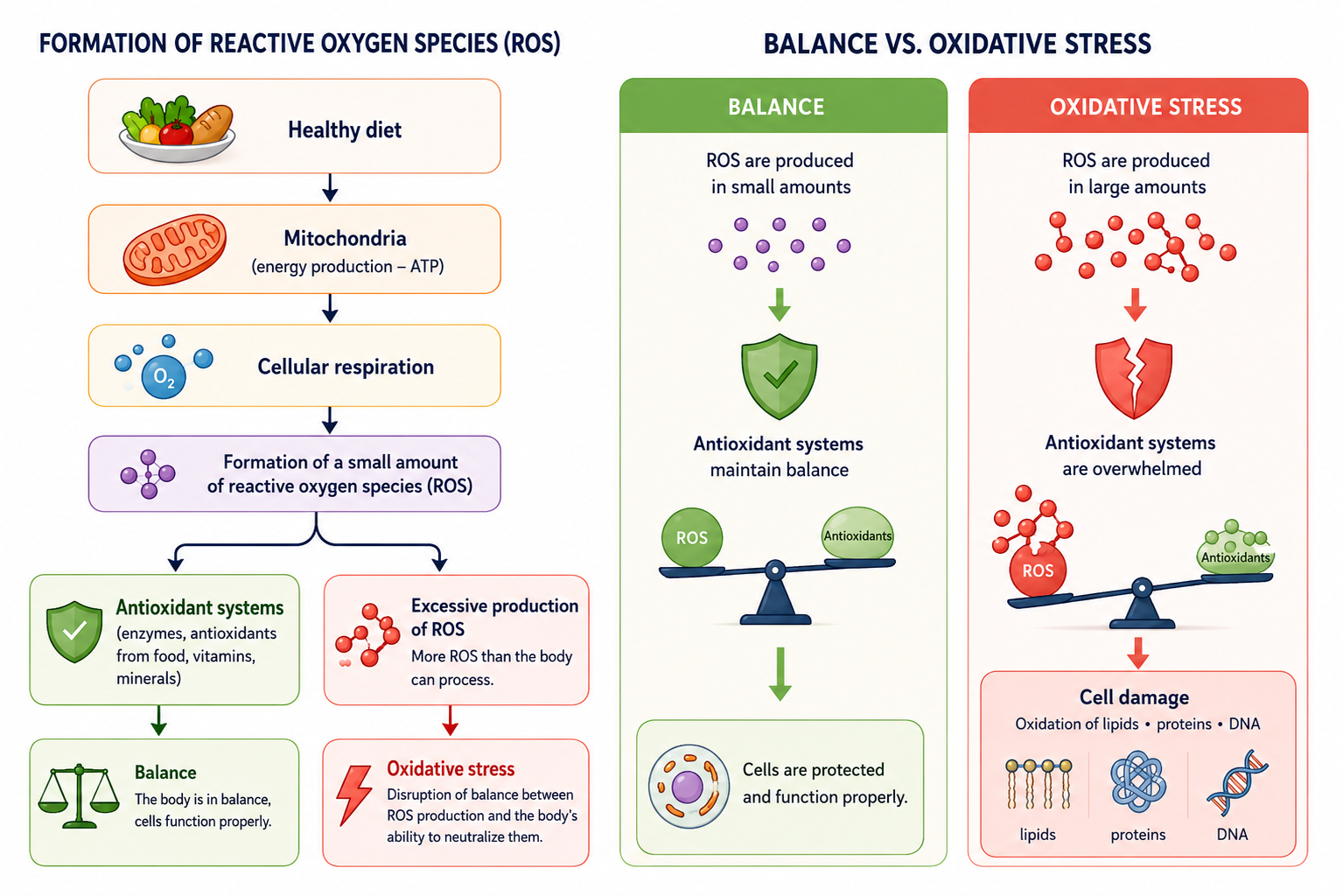
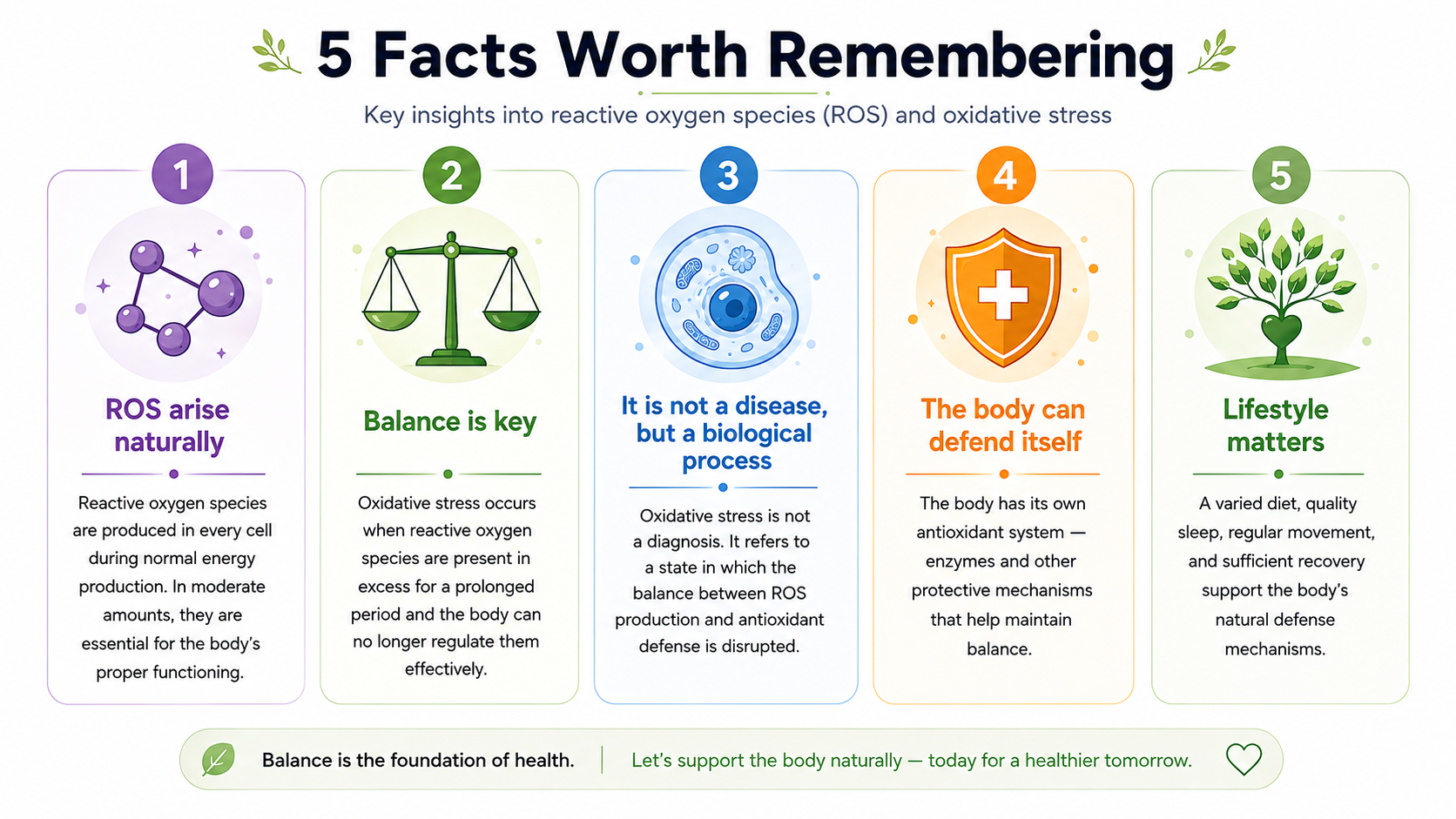
Direct answer: Oxidative stress is a condition in which an imbalance arises between the production of reactive oxygen species (ROS), also known as free radicals, and the body's ability to neutralise them through its own antioxidant systems.
Chronically elevated oxidative stress can damage cellular structures and is associated with the ageing process and the development of a range of chronic diseases. The crucial point, however, is this: it is a question of balance, not of presence.
What is oxidative stress
Oxidative stress describes a condition in which the balance between the production of reactive oxygen species (ROS) and the body's ability to control or neutralise them is disrupted. It is not about the mere presence of free radicals, but about their excess — or conversely, an insufficient defence.
Although reactive oxygen species (ROS) are often described as harmful, they are in fact a natural part of the human body's functioning. They arise during normal cellular metabolism, particularly during energy production in the mitochondria, as well as during immune system activity and intense physical exercise.
Under normal circumstances, the body maintains what is known as redox balance — a dynamic state between oxidative and antioxidant processes. This is maintained by enzymes such as superoxide dismutase, catalase, and glutathione peroxidase, complemented by dietary antioxidants (vitamin C, E, carotenoids, polyphenols).
Oxidative stress is not a disease or a diagnosis. It is a biological process that occurs to some degree in every human body. It is only when this finely regulated balance is disrupted over a prolonged period or repeatedly that the condition known as oxidative stress arises.
How oxidative stress forms
Oxidative stress does not arise suddenly or from a single cause. It is the result of a disruption in the natural balance between ROS production and the body's ability to neutralise them on an ongoing basis.
A real-life example: What happens in the body during everyday stress
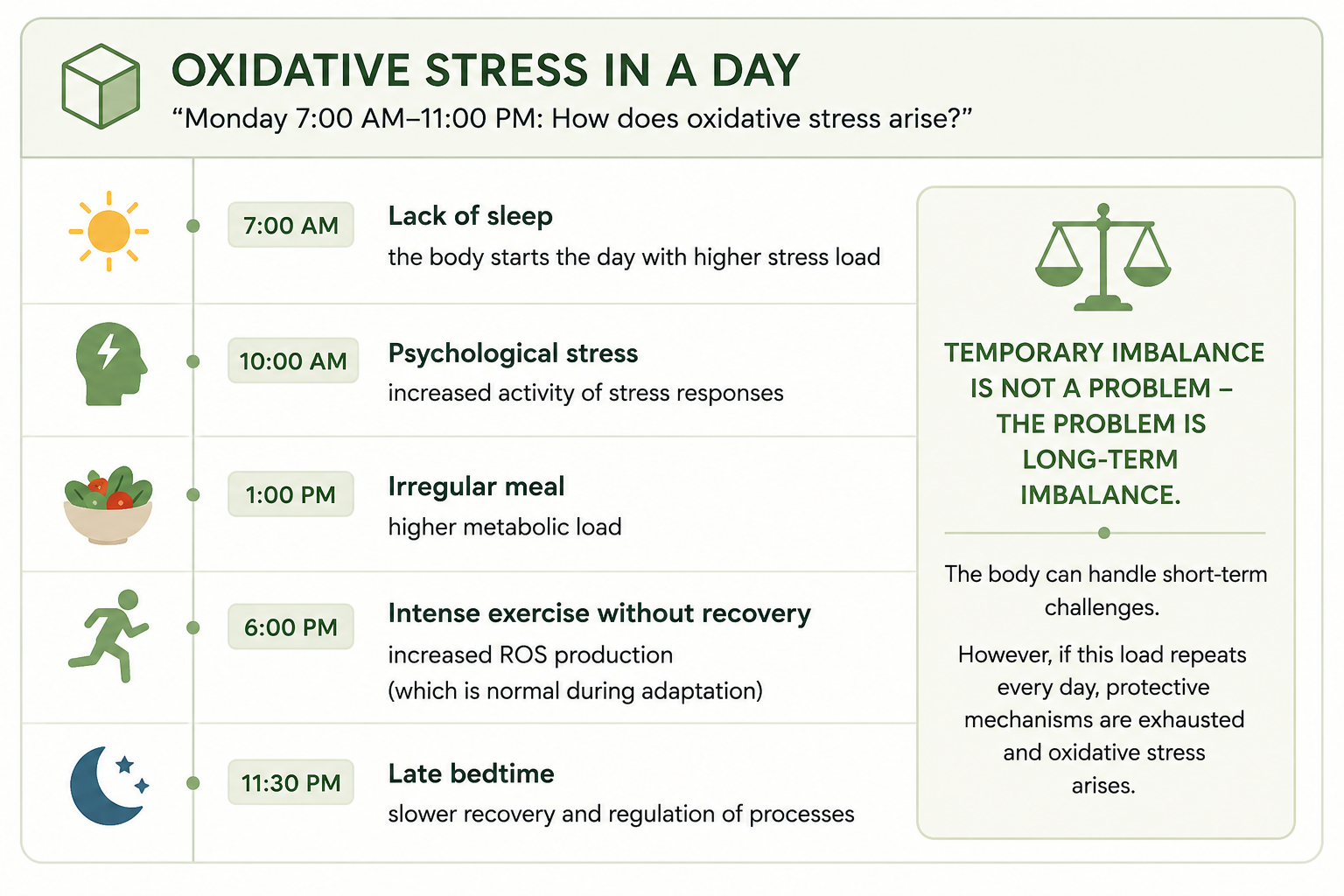
Imagine a typical working day: you wake up in the morning, have a coffee, rush to work, deal with several demanding tasks, get little exercise, catch up on obligations in the evening, and go to bed late. Every cell in your body is working constantly throughout all of this.
Think of it like a city's electrical grid. The power station runs all day generating energy. An occasional spark is a normal part of operation. If the protective system keeps up, everything is fine. But if too many sparks occur and the safeguards can't cope, surrounding equipment begins to be damaged. Our cells work in much the same way.
The body is equipped with several layers of protection:
How oxidative stress works
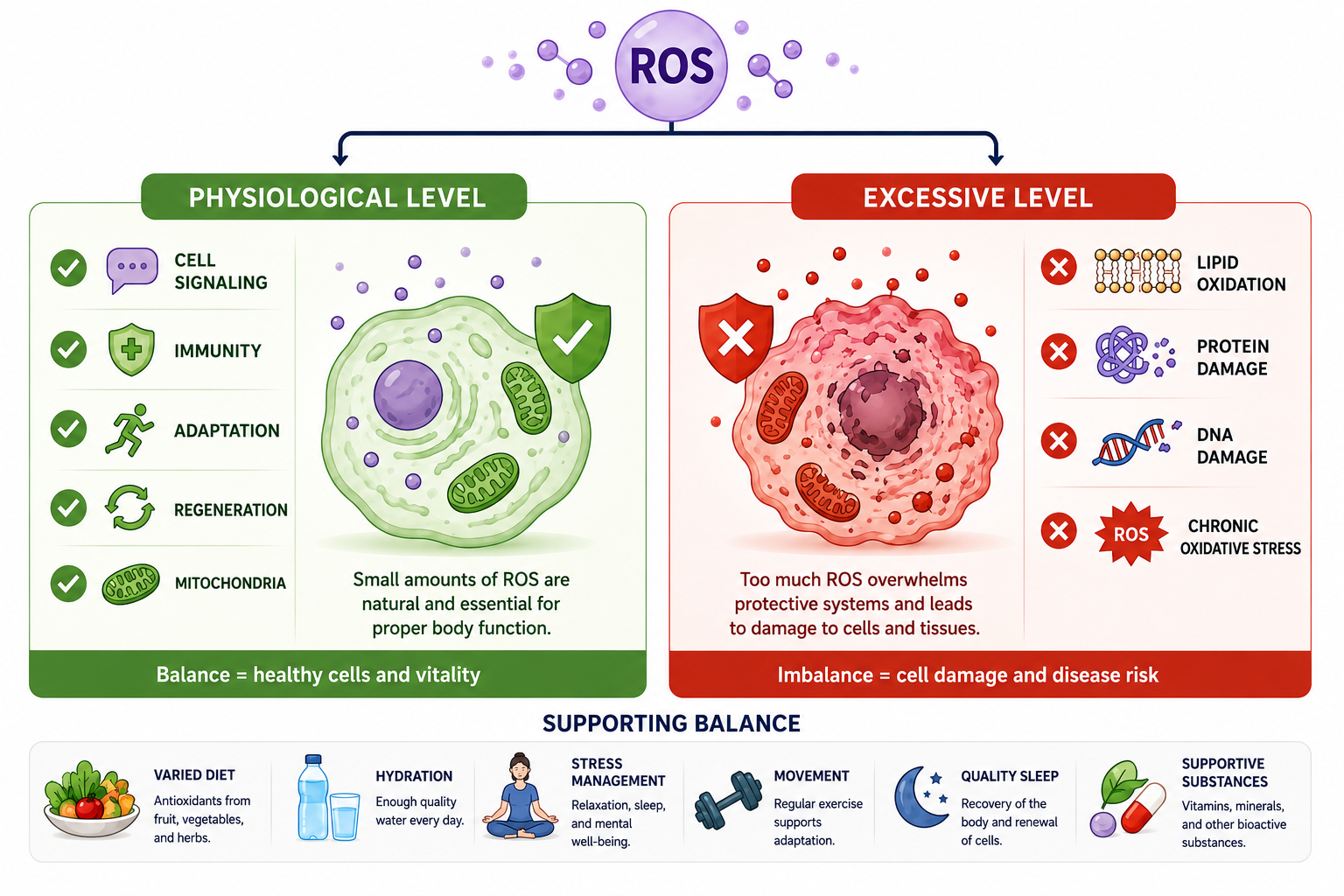
Reactive oxygen species are not merely an unwanted by-product of metabolism. In appropriate quantities, they fulfil a number of indispensable biological functions.
At low concentrations, ROS function as signalling molecules that allow cells to communicate with one another. They influence cell growth and division, maturation, the formation of new mitochondria, DNA repair, and the activation of defence mechanisms during infection.
Without these signals, cells would be unable to respond correctly to environmental changes or increased demands on the body. ROS are an essential component of normal physiology.
White blood cells deliberately produce ROS when they encounter bacteria, viruses, or fungi. This process is known as the respiratory burst and is an indispensable component of innate immunity.
Reactive oxygen species represent one of the first lines of defence, as they can disrupt the structures of foreign microorganisms and help eliminate them.
During exercise, ROS production naturally increases. This short-term rise represents an important adaptive signal. Cells respond by increasing the production of their own antioxidant enzymes, forming new mitochondria, and improving energy metabolism.
A biological phenomenon in which mild stress promotes the body's resilience. This is why moderate physical or environmental challenge can be beneficial in the long term.
Problems arise when ROS production is too high or persists for too long. Cell membranes rich in unsaturated fatty acids are particularly vulnerable — they undergo lipid peroxidation.
Changes also occur in the three-dimensional structure of proteins, damage to enzymes, and oxidative alterations to genetic information in both DNA and mitochondrial DNA.
If the damage is minor, the cell can repair most changes. If oxidative stress persists long-term, the defence mechanisms may become depleted — leading to senescence or apoptosis.
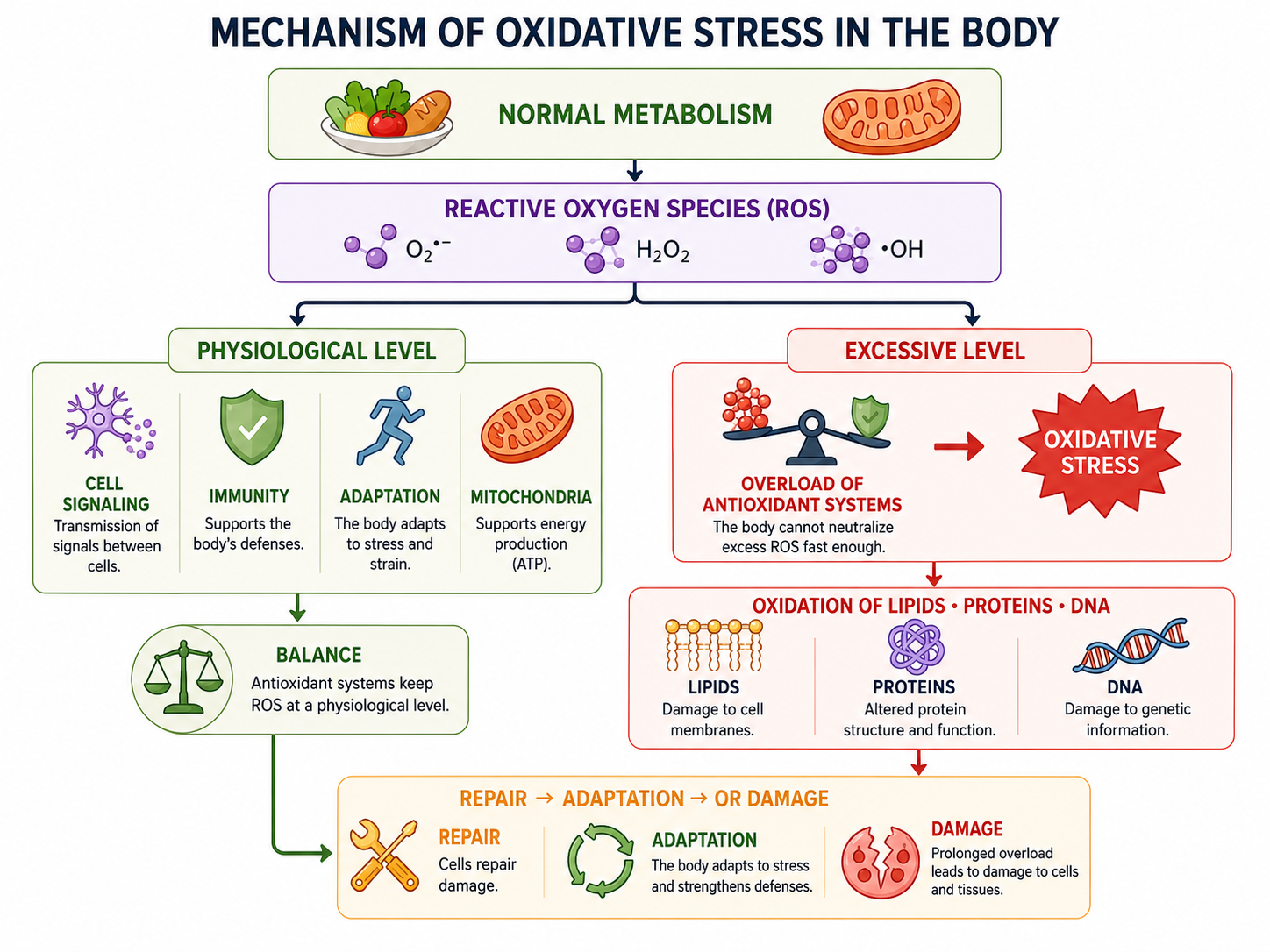
Modern research views oxidative stress as a disruption of cellular communication and redox regulation, not merely as the presence of a greater quantity of free radicals. The body's goal is not to eliminate reactive oxygen species — but to keep their levels in balance.
What biological role does oxidative stress play
ROS production has been preserved through millions of years of evolution. If ROS were purely harmful, mechanisms for their complete elimination would have developed. The body does not try to eliminate reactive oxygen species — it carefully regulates their levels.
What current science says
Over the past two decades, the understanding of oxidative stress has undergone significant development. The modern scientific view sees oxidative stress as a disruption of redox homeostasis — a finely balanced system between the production of reactive molecules and their controlled regulation.
Key international studies
Helmut Sies et al. (2022) — Defining roles of specific ROS in cell biology
One of the most cited modern papers. It redefines oxidative stress as a state of disrupted redox signalling. It emphasises that the mere presence of ROS is not pathological — what matters is their concentration, localisation, and duration of action.
DOI: 10.1038/s41580-022-00456-z · PMID: 35190722Forman & Zhang (2021) — Targeting oxidative stress in disease
An excellent review explaining why antioxidants alone often failed to deliver expected results in clinical trials. Describes ROS as an essential component of cellular communication.
DOI: 10.1038/s41573-021-00233-1 · PMID: 34194012Sies & Jones (2020) — ROS as pleiotropic physiological signalling agents
A paper that fundamentally changed the view of ROS as signalling molecules influencing hundreds of pathways governing metabolism, cell division, and immune response.
DOI: 10.1038/s41580-020-0230-3 · PMID: 32231263Powers et al. (2020) — Exercise-induced oxidative stress: Friend or foe?
One of the best review studies explaining hormesis and the positive role of ROS during physical activity. Shows why regular exercise supports the body's own antioxidant systems in the long term.
DOI: 10.1016/j.jshs.2020.04.001Lushchak & Storey (2021) — Oxidative stress concept updated
A modern overview of the definitions of oxidative stress, its classifications, and regulatory pathways. Highlights the need to update earlier oversimplified views.
DOI: 10.17179/excli2021-3596Oxidative stress is one of the most intensively studied biological processes today. Thousands of new research papers are published every year. Despite significant advances, many questions remain unanswered — particularly why oxidative stress manifests differently in different individuals and what role genetic makeup plays.
What factors influence oxidative stress
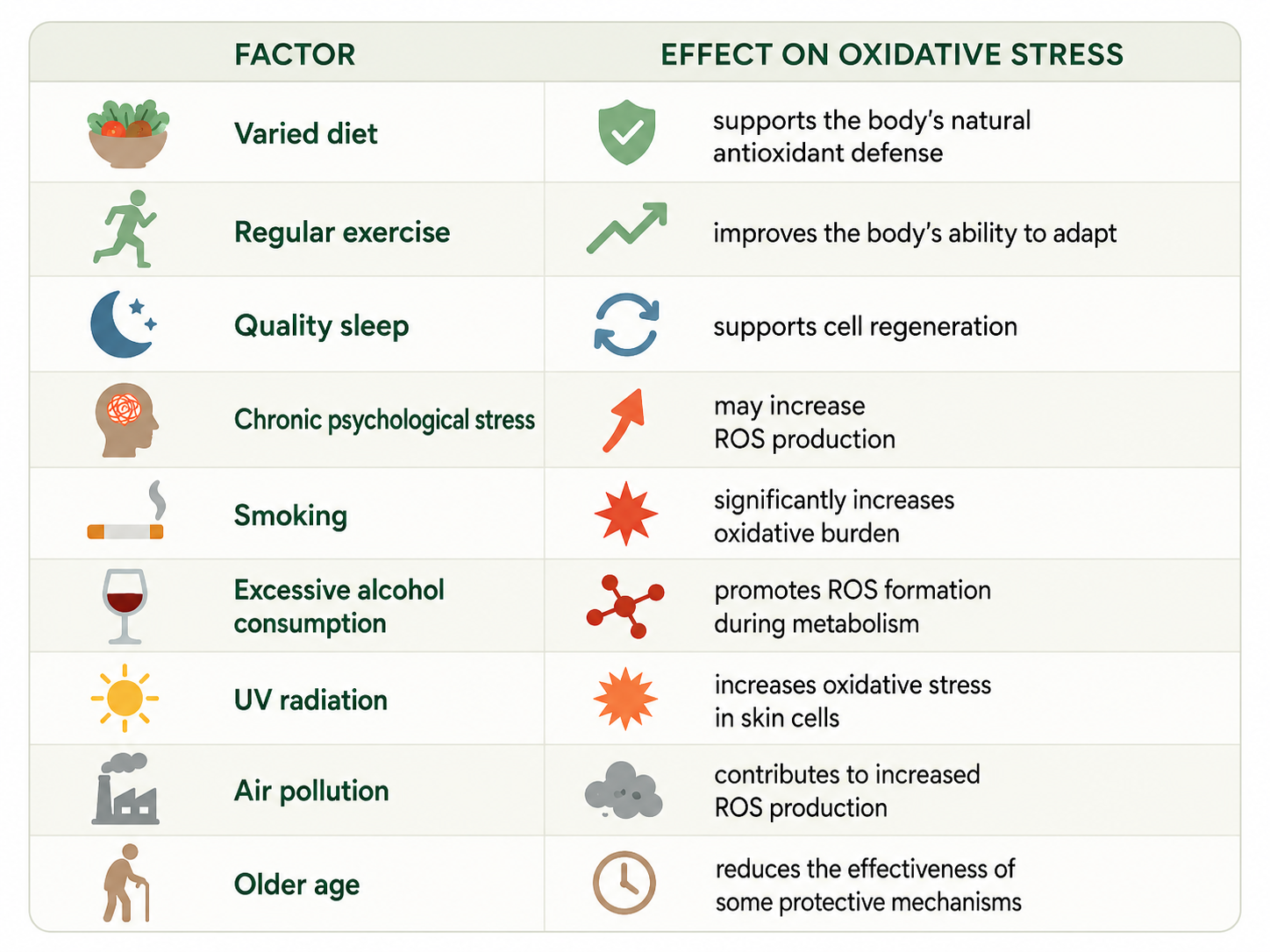
The extent of oxidative stress is not determined by a single factor. It results from the interplay of genetic makeup, lifestyle, environment, and current health status.
Diet
A varied diet rich in fruit, vegetables, legumes, and nuts provides thousands of natural bioactive compounds. The greatest benefit comes not from a single substance but from their combined effect within the overall diet.
Physical activity
Regular, moderate physical activity stimulates the body's own antioxidant enzyme production and improves cellular resilience. The situation differs with prolonged extreme exertion without adequate recovery.
Sleep
Chronic sleep deprivation is associated in observational studies with elevated markers of both oxidative stress and inflammatory activity. Quality sleep is one of the fundamental pillars of redox balance.
Psychological stress
Chronic psychological stress leads to increased activation of stress hormones, which can indirectly promote elevated ROS production. The problem is particularly pronounced when chronic stress is combined with poor lifestyle habits.
Smoking and alcohol
Cigarette smoke contains large quantities of oxidising substances and free radicals — it is considered one of the most significant modifiable factors. Excessive alcohol consumption increases ROS production during its metabolism in the liver.
Environment
Fine particulate matter, ground-level ozone, heavy metals, and industrial chemicals can increase ROS production. Oxidative damage is one of the mechanisms underlying the health effects of air pollution.
UV radiation
A natural source of oxidative burden, particularly for skin cells. Prolonged or excessive exposure without protection leads to increased ROS production in the skin and accelerates the skin's ageing process.
Age
As we age, the efficiency of cellular repair mechanisms gradually declines and mitochondrial function changes. Oxidative stress is considered one of the biological processes associated with ageing — but not its sole cause.
What approaches are being studied
Most experts agree that the foundation remains a healthy lifestyle. Alongside this, various bioactive substances influencing cellular redox mechanisms are being investigated. In most cases it is important to emphasise that results are not yet conclusive.
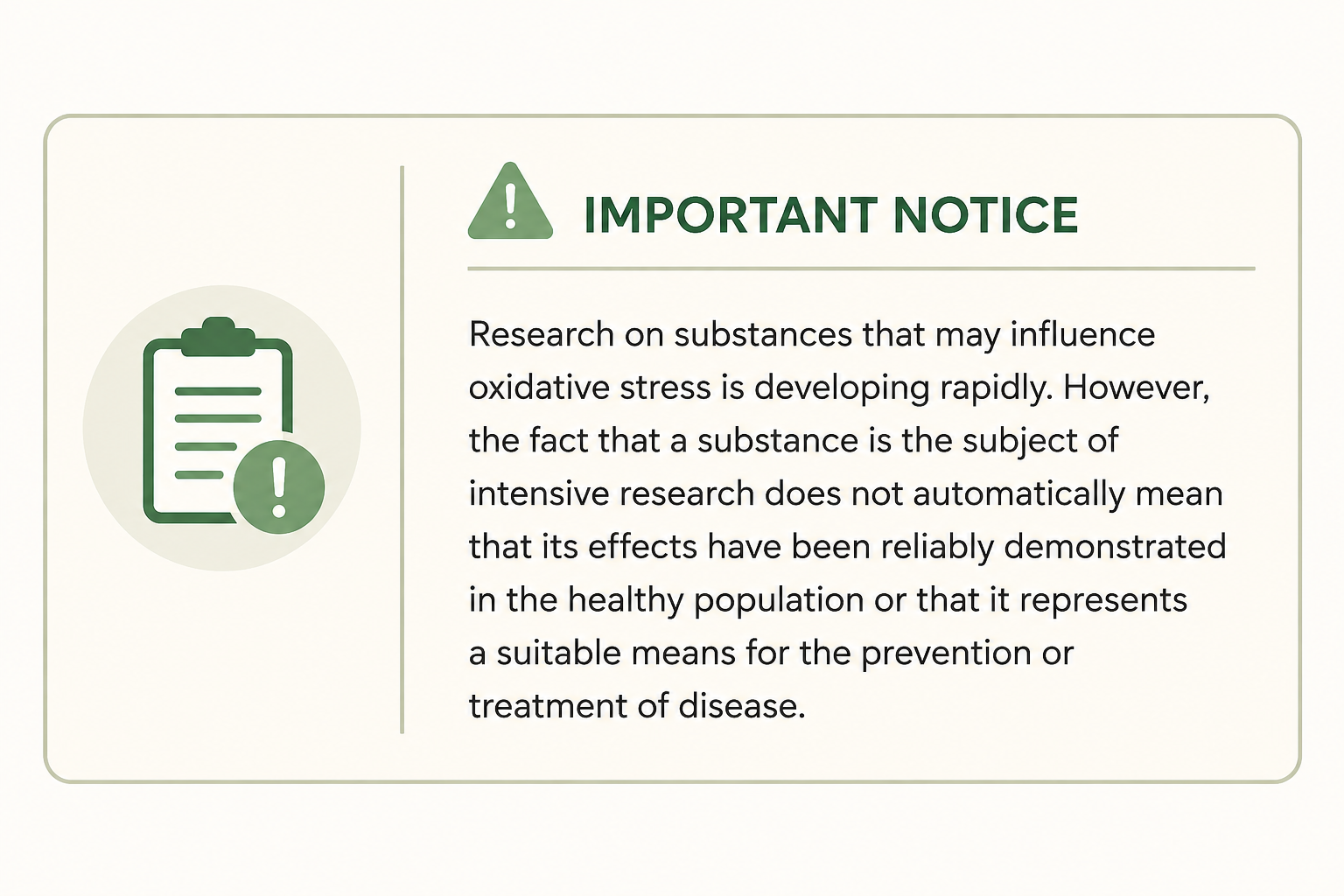
Modern research is increasingly moving away from the notion that oxidative stress can simply be addressed by administering high doses of antioxidants. Far greater attention is now being given to supporting the body's natural regulatory mechanisms — through quality diet, physical activity, sleep, and the management of chronic stress.
Common myths about oxidative stress
Oxidative stress is a topic surrounded by many simplifications and inaccuracies. Here are the most common myths and what current science has to say about them.
This is not true. Reactive oxygen species are a natural part of the human body's functioning. In appropriate quantities they act as important signalling molecules involved in cellular communication, immune response, adaptation to physical exercise, and metabolic regulation.
Modern redox biology considers ROS an indispensable component of normal physiology. The body's goal is not their elimination, but maintaining their optimal concentration.
This claim does not reflect current knowledge either. Antioxidants are an important component of the body's defence mechanisms, but their effect depends on context. The body relies primarily on its own enzymatic antioxidant systems.
Clinical trials have not confirmed that routine use of high doses of antioxidant supplements in healthy populations leads to better health outcomes. In some situations, excessive suppression of ROS may even disrupt natural cellular signalling.
No. Oxidative stress is one of the biological mechanisms that may contribute to the development of many chronic diseases. It is not, however, the sole cause. The onset of most diseases is influenced by a combination of genetic predisposition, lifestyle, environment, inflammatory processes, and metabolism.
In cardiovascular, neurodegenerative, and metabolic diseases, oxidative stress is regarded as one part of a complex biological network — not as a universal explanation for their development.
This is not possible. Reactive oxygen species are produced continuously during normal cellular metabolism and their production is essential for the body's proper functioning.
The goal is not to eliminate ROS, but to support the mechanisms that keep their production and clearance in long-term balance. A completely "radical-free" organism could not function.
In reality the situation is far more complex. Oxidative stress represents a set of dynamic biological processes that change over time and differ between tissues.
Clinical research uses a combination of multiple laboratory markers — biomarkers of oxidative damage to lipids, proteins, and DNA. No single universal marker yet exists that can reliably assess the overall state of redox balance.
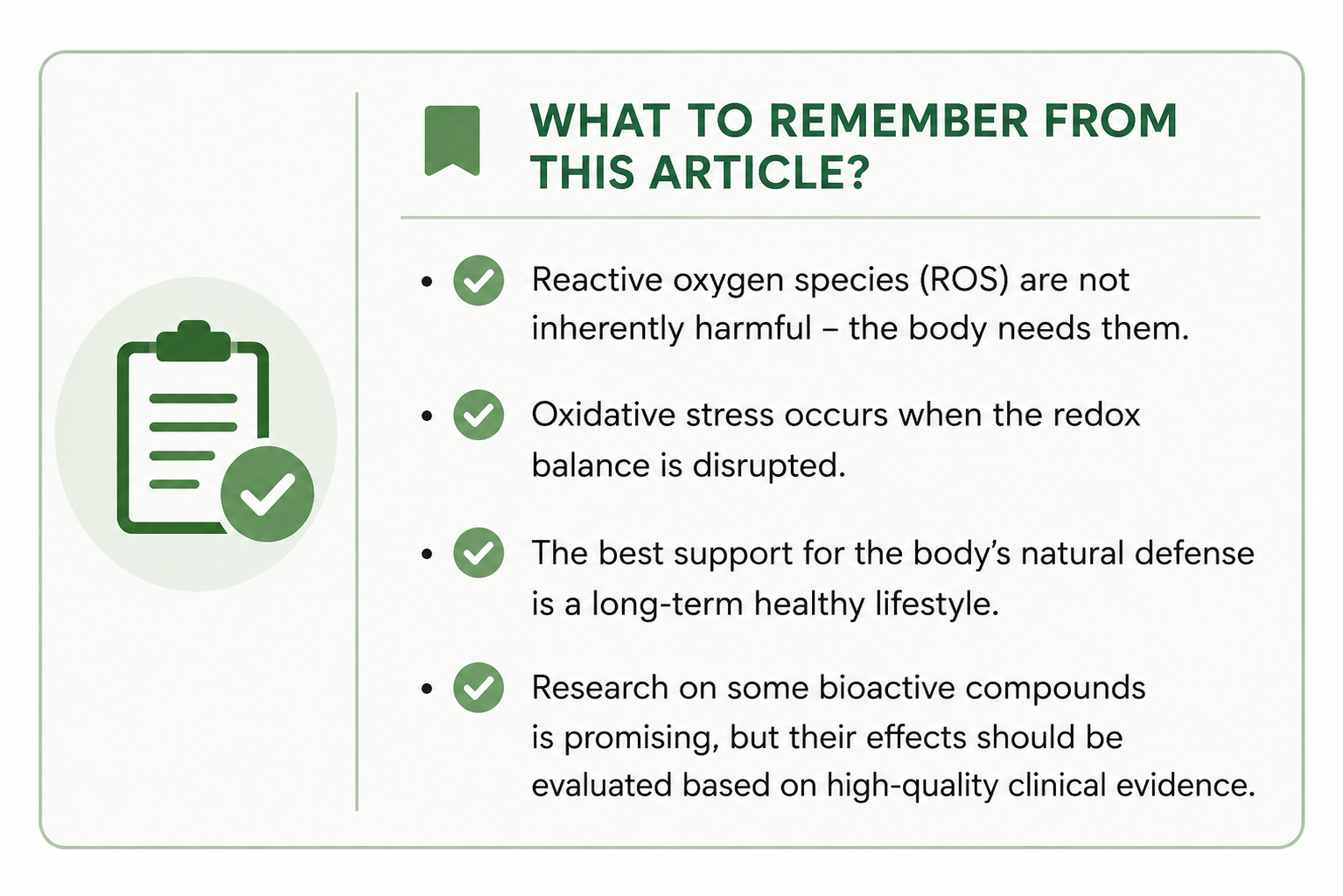
Summary: Modern scientific understanding shows that oxidative stress is not a simple battle between "bad free radicals" and "good antioxidants".
It is a complex biological process whose essence lies in maintaining redox balance. The body's ability to preserve this balance over the long term is considered one of the important prerequisites for proper cellular function.
Related topics
Support your natural redox balance
Magnesium, Acerola, Mumio and other products designed with clean composition and functional formulations. No additives, tested in the Czech Republic.


